From the Ground Up: Building Peace Through People-Centered Governance
What first drew you to working at the community level, and what inspired your commitment to peacebuilding and sustainable development?
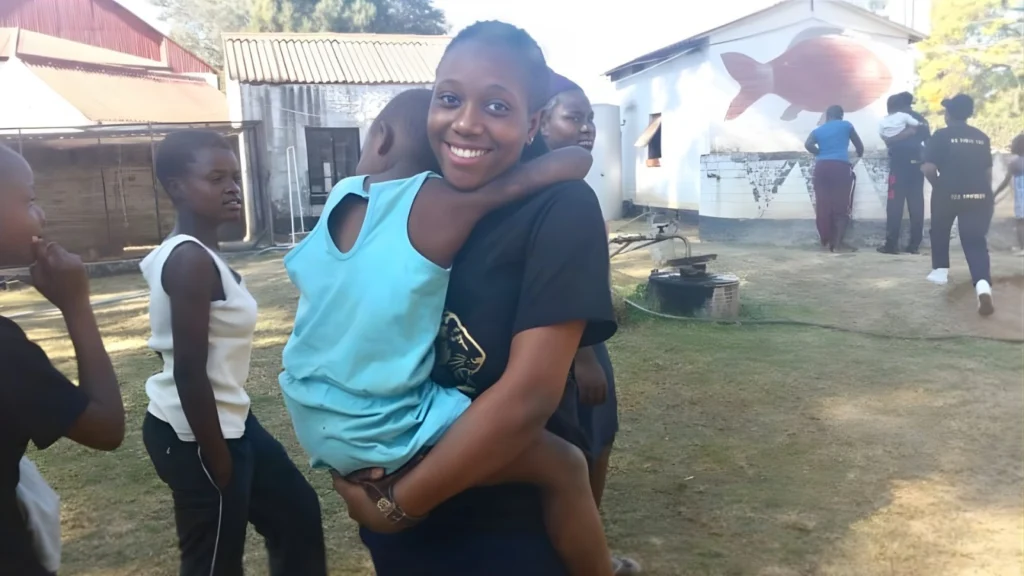
My earliest experience with community work came when I visited an orphanage in high school. Even though I did not have much myself, I realized how privileged I was and how life-changing small interventions (like giving a child access to education) can be. In that moment, all I wanted was to contribute to society, whether by helping build peace, making sure everyone has enough, or simply sharing joy with those who have so little. Witnessing how a single opportunity can completely transform someone’s life was eye-opening.
Peace and development are not abstract policies; they are everyday realities shaped by whether people have a voice, access to opportunities, and their dignity is protected. My parents always joke that I was destined to practice law because, when I was about eight or nine, I defended a woman facing gender-based violence in our neighborhood. Even at a young age, I understood how important peace is, not just in global contexts, but in ordinary homes and everyday situations. People deserve to live without fear, and that development must begin with protecting dignity in our own communities.
You often speak about how good governance and leadership can transform communities from the ground up. In your view, what does that transformation look like in practice, and what makes it sustainable?
In my recent article on good governance as a prerequisite for peace, I emphasized that governance is not a one-size-fits-all approach. It must be tailored to the specific needs of the people it serves. Governance should shape policies, and policies must reflect the real issues affecting communities. Transformation begins when governance stops being a service delivered to people and becomes a partnership with the people. In practice, this looks like genuine community consultations that actually influence policy, leaders who are accountable to citizens, and institutions that protect and prioritize human rights. If policy is truly for the people, then the people must be part of policymaking. The idea is that communities should not just be passive recipients of solutions, but architects of them. People want to see progress that outlives political cycles or foreign aid. Over time, this partnership strengthens transparency and builds public trust — and that trust is what makes transformation sustainable.
As Governance Advisor and Co-Chair of Carifika Zimbabwe’s Advisory Committee, you work at the intersection of governance, sustainability, and diaspora engagement. How do you apply a pan-African lens to inclusive policy design, and what does that look like in practice?
A pan-African lens means recognizing that the continent’s challenges and solutions are unique and should be treated as such. It means using African perspectives to tackle African-specific challenges. Africa’s solutions must come from African knowledge. In practice, this means designing governance programs that reflect local realities and drawing lessons from shared continental issues such as natural resource depletion, corruption, and youth underrepresentation.
This means creating policies that, first, center African lived experiences rather than external frameworks. Second, policies that leverage diaspora expertise as collaborators, not donors, and definitely not cultural influencers, but true partners in continental development. Lastly, policies that respect African languages and customs, and policies that protect the natural evolution of African culture and systems of community leadership. This approach ensures that policy is not imported or imposed, but evolved from African realities and strengthened by African innovation across the world.
In your recent policy brief on peacebuilding in Northern Ghana, you emphasize the importance of aligning policy with communities’ lived experiences. What did you learn from that process about the role of participatory governance and community ownership in sustaining peace, and how might those insights inform broader governance reforms across the continent?
The biggest lesson was that communities want to rely on institutions. They do not reject policy; they reject being excluded from it. Many African cultures already have traditional systems rooted in conflict resolution and peacebuilding, based on social cohesion, faith, and community responsibility. In my culture, we have the dare, a communal meeting place where conflicts are discussed and resolved. It protects customs and ensures that respect for ancestors and land stewardship is upheld. When communities are involved, policy strengthens these cultural systems instead of replacing them. I learned that peace is most durable when communities design the rules, monitor implementation, and see themselves reflected in the outcomes. These insights show that across the continent, governance reform must move from consultation to true co-creation.
What are the most urgent governance reforms you believe Africa needs to prioritize over the next decade?
Africa today is a continent full of paradoxes. Despite having the youngest population in the world, youth seldom influence public decisions. We hold vast natural resources, yet we struggle to transform that wealth into shared prosperity. We are rich in innovation and bright minds, yet our systems remain slow and resistant to change. But if governance evolves to match Africa’s potential, the continent could look entirely different.
Here are the governance reforms that should be prioritized:
Firstly, decentralized public resource management, so communities transparently benefit from land, mining, agriculture, and climate financing.
Secondly, youth-inclusive governance and clear leadership transitions. Presidential terms must be limited because power should be earned, not inherited. Accountability and the rule of law must guide leadership, not personal entitlement. If civil servants have a retirement age, then presidential candidates should have one too.
Lastly, legal protection for vulnerable groups and civic actors, especially women, children, and activists. A healthy democracy requires respect for life, freedom of speech, and the protection of those who speak on behalf of others.
You founded the Moyo Muti Initiative to support rural schoolchildren through mentorship, rights awareness, and advocacy against child marriage. What inspired you to launch this initiative, and how does it bridge your governance work with grassroots activism?
The idea for Moyo Muti started in high school. I repeatedly witnessed situations that raised deep concerns. A student who fell pregnant was forced to drop out of school. I saw children walking long, exhausting distances in shoes that could not keep up. In my final year, a classmate left school to marry an older relative. What shocked me most was how normal it seemed. There was no outrage. Life simply continued. Moyo Muti has helped me understand just how important governance is in shaping communities and the lives of young children. Governance is not only in parliament; it’s in how communities protect their children, distribute opportunities, and respond to injustice. Moyo Muti has helped me see that activism and governance are deeply connected. By mentoring children, strengthening rights awareness, and advocating against child marriage, Moyo Muti ensures that protecting children becomes a community obligation, not charity.
Child marriage remains a deeply rooted challenge in many communities. How has your advocacy navigated this issue in ways that are both context-sensitive and effective, and what role do mentorship and education play in shifting governance outcomes in rural settings?
Our work prioritizes awareness through mentorship, partnerships with local leaders, and education support that reduces the financial vulnerability driving child marriage. Ignorance is expensive. Educating girls gives them options beyond early marriage. But this is not only about the girls. Our human rights awareness campaigns educate entire communities so they understand what the law says, how to use it, and why protecting girls benefits everyone. We want to raise future leaders who become effective influencers of governance. Leaders who don’t just quote rights but apply them.
What gaps in governance capacity do you see among youth leadership, and what needs to be done to address them?
Many young leaders have passion but lack access to policy literacy and platforms where youth influence decisions. Many are doing impactful work on the ground, yet they remain excluded from negotiations, policy budgets, and institutional hiring. We are also lacking in funding and support. To bridge this gap, we need mentorship that is linked to real opportunities, youth representation with decision-making power, not tokenism. Give us a seat at the table, not a pat on the back. Give us funding in our youth-led organizations, not just funding to attend forums and conferences.
What message would you like to share with other young African leaders working to create fairer, more accountable institutions?
Listen. Leadership is not just a position. It is a responsibility to leave institutions stronger than we found them. Have some empathy, have some compassion. If you are young and privileged to participate in decision-making, it’s not an opportunity to become popular; it’s an opportunity to change the trajectory of people’s lives. Fix real problems. Become the leader you once needed. Institutions change when ordinary people refuse to accept injustice as normal.
Meet the Explorers

Join the Governance Explorers
We are bringing together a global network of people eager to rethink governance and influence local, national and global debates.
"Goodwill from both government and local community leaders is essential for successful climate action"

"The question is how do you get the good idea to reach the right people to make change?"